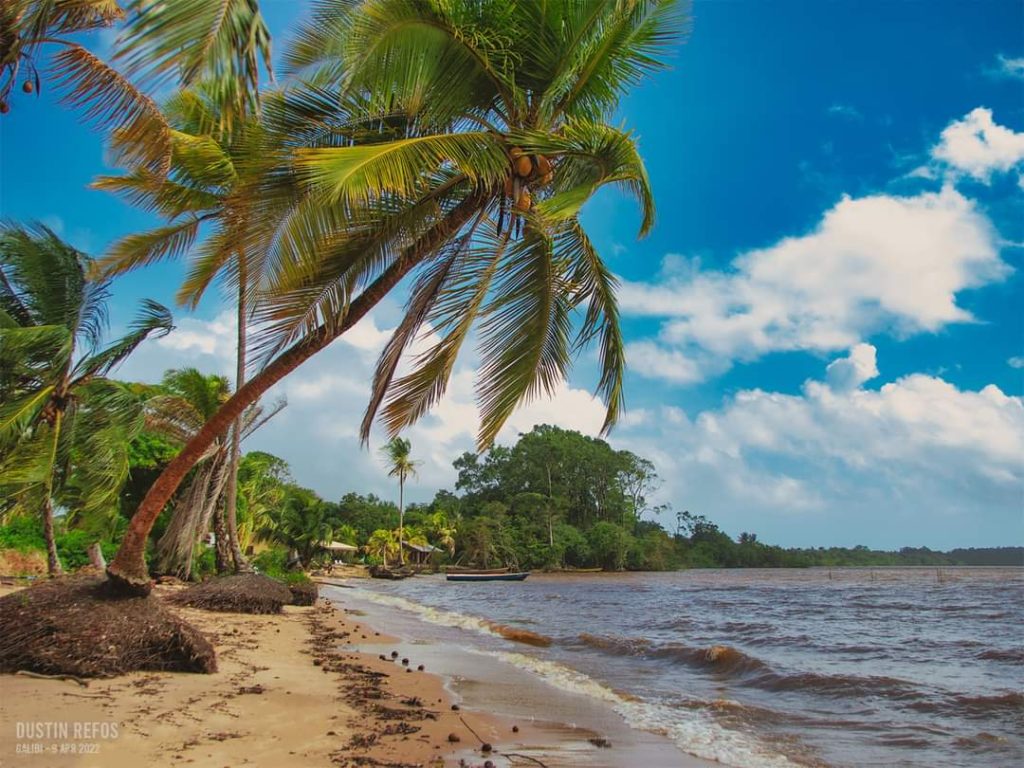
Suriname, Guyana, French Guiana 14 Days
Visit the Three Guianas: 3 Countries, 3 unknown destinations and lots of culture experience. Guyana, Suriname and French Guyana, an experience to

Suriname, a hidden gem nestled in the northeastern part of South America, is a country of rich cultural diversity, stunning natural beauty, and warm hospitality. Suriname is the smallest country on the continent, bordered by French Guiana to the east, Brazil to the south, and
Guyana to the west. Its capital city, Paramaribo, is a vibrant hub of culture and history, the smallest city and also known as the city of smiles!
Suriname boasts a unique blend of cultures and languages, influenced by its diverse population, including descendants of Indigenous peoples, Africans, Indians, Jewish, Javanese, Chinese, and Europeans. This multiculturalism is reflected in its traditions, festivals, and cuisine. The country is renowned for its lush rainforests, meandering rivers, and diverse wildlife, making it an attractive destination for nature enthusiasts and adventure seekers.
Suriname’s history is marked by colonization and cultural mixing. Originally inhabited by Indigenous peoples, it was colonized by the Dutch in the 17th century. The country gained
independence from the Netherlands in 1975. Today, Suriname’s history is reflected in its rich cultural tapestry, visible in its architecture, festivals, and daily life.
Suriname is a multilingual country with several languages spoken throughout its diverse population. The official language and the most widely used language in government and education is:
Dutch: Dutch is the official language of Suriname, used in government, legal matters, and formal communication. It is also the language of instruction in schools.
In addition to Dutch, Suriname is home to a rich tapestry of languages reflecting its diverse ethnic communities. Sranan Tongo: Often referred to simply as “Sranan,” this is a widely spoken Creole language in Suriname.
Climate and Best Time to Travel
Suriname has a tropical climate with a warm temperature year-round, ranging from 24°C to 31°C (75°F to 88°F). The country experiences two main wet seasons, from December to February and from April to July, and two dry seasons, from August to November and from February to April. The best time to visit is during the dry seasons when the weather is more conducive to outdoor activities and exploration.
Suriname offers a variety of attractions for tourists, from its bustling capital, Paramaribo, with its historical architecture and vibrant markets, to its pristine natural landscapes. The Central Suriname Nature Reserve, Paramaribo, Jodensavane, all three are UNESCO World Heritage sites, is a highlight for eco-tourists, featuring expansive rainforests, rich biodiversity, . Other popular activities include river cruises, wildlife spotting, and exploring the country’s unique cultural heritage.
The currency of Suriname is the Surinamese Dollar (SRD). It is advisable to have local currency on hand for purchases. In Suriname, the widespread acceptance of credit cards is limited, primarily confined to hotels and certain restaurants. It’s important to note that not all credit card types are universally accepted, and accessing funds from ATMs may
be subject to restrictions. In case the red Cash point is unavailable, consider using a blue Republic Bank ATM for cash withdrawals.
Given these circumstances, we advise visitors to carry cash in USD or EUR for personal expenses, as it can be exchanged or directly used in Suriname.
Suriname is religiously diverse. Major religions include Christianity (both Roman Catholicism and Protestantism), Hinduism, Islam, Jewish and indigenous beliefs
Suriname’s culture is a melting pot of traditions and influences from its diverse population. This multiculturalism is celebrated through colorful festivals, music, and dance. Surinamese cuisine reflects this diversity, with dishes that blend African, Indian, Javanese, and Dutch flavors. Popular foods include roti (Indian flatbread), pom (a Creole dish made from taro root), and a variety of spicy stews and soups.
Suriname’s festivals are a vibrant reflection of its cultural diversity. Key celebrations include:
commemorates the abolition of slavery in Suriname. It is marked by parades, cultural performances, and events that celebrate the country’s African heritage and history.
al-Fitr marks the end of Ramadan, while Eid al-Adha commemorates the willingness of Ibrahim (Abraham) to sacrifice his son. Both festivals are celebrated with communal prayers, feasting, and charitable acts.
It features traditional music, dance, and cultural exhibitions, emphasizing the importance of preserving Indigenous traditions and recognizing their role in Suriname’s history.
Visit the Three Guianas: 3 Countries, 3 unknown destinations and lots of culture experience. Guyana, Suriname and French Guyana, an experience to

Our 10 day Suriname Package provides the highlights of Suriname which you surely must do when visiting Suriname. In Suriname

Brownsberg and Stone island tour (2days/1night) Looking for one of the best nature experiences in Suriname? Join our Brownsberg Nature Park tour and discover breathtaking

Jaw Jaw A Tela is a small village located upstream along the Suriname River. Situated in the Maroon region of Suriname, the village is known
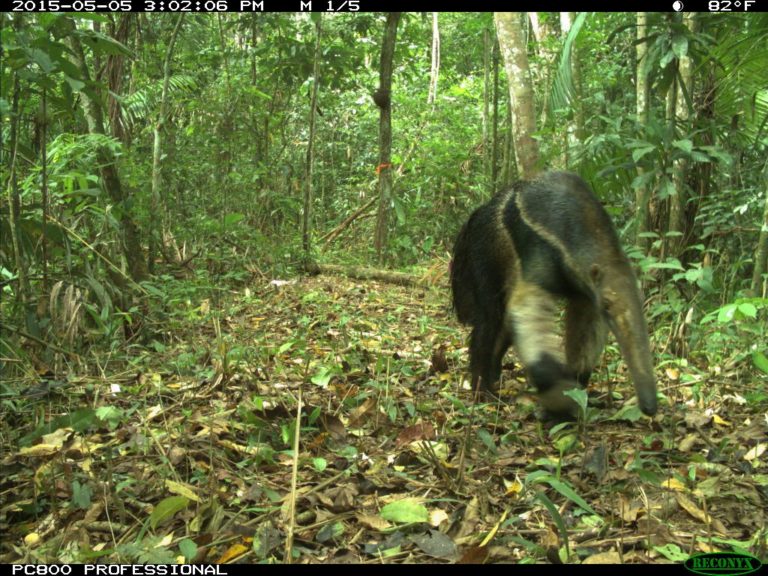
If you are a Wildlife enthusiast and you prefer to come face to face with the most special animals, our evening tour is certainly the

The impressive Blanche Marie waterfalls are located more than 300km southwest of Paramaribo. It is one of the largest and most beautiful waterfalls in Suriname

Frederiksdorp is a former 18th century coffee and cocoa plantation. The first owner was a German from Prussia, Johan Friedrich Knöffel, from whom the plantation

NOTE: a new swimming pool will be built, and you may experience minimal disruption (planned for a few months) is built, Spend the night in

Located on the banks of an idyllic island in the Upper Suriname River, near the Ferulassi rapids. Get acquainted with the unique Maroon culture, virgin

The name Paramaribo is probably derived from the name of an Indian village, called Parmurbo. A trading post was established in the village at the
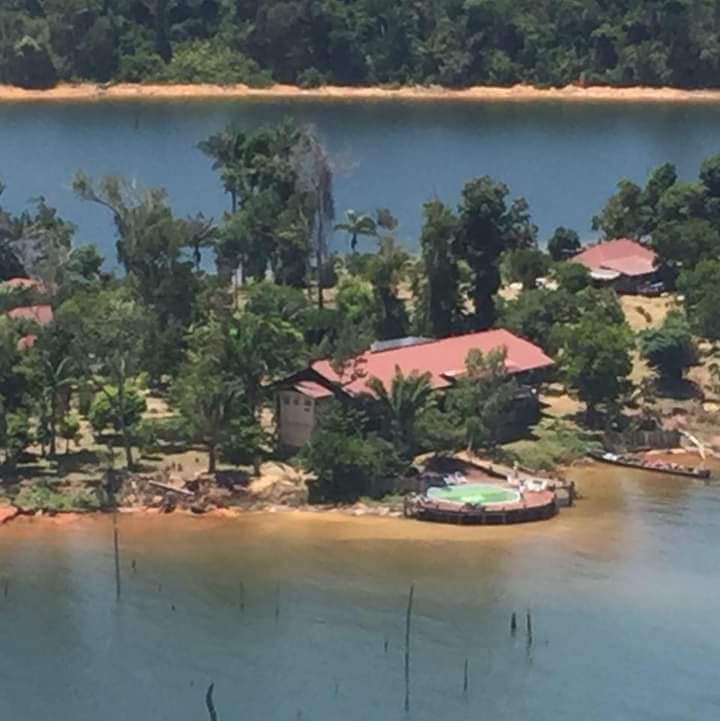
from € 85,- per person (excl. 10% tax) | Price per person incl. tax: EUR 93.50 This Beautiful Island is situated on Prof. dr. ir.
Suriname, a hidden gem nestled in the northeastern part of South America, is a country of rich cultural diversity, stunning natural beauty, and warm hospitality. Suriname is the smallest country on the continent, bordered by French Guiana to the east, Brazil to the south, and
Guyana to the west. Its capital city, Paramaribo, is a vibrant hub of culture and history, the smallest city and also known as the city of smiles!
Suriname boasts a unique blend of cultures and languages, influenced by its diverse population, including descendants of Indigenous peoples, Africans, Indians, Jewish, Javanese, Chinese, and Europeans. This multiculturalism is reflected in its traditions, festivals, and cuisine. The country is renowned for its lush rainforests, meandering rivers, and diverse wildlife, making it an attractive destination for nature enthusiasts and adventure seekers.
Suriname’s history is marked by colonization and cultural mixing. Originally inhabited by Indigenous peoples, it was colonized by the Dutch in the 17th century. The country gained
independence from the Netherlands in 1975. Today, Suriname’s history is reflected in its rich cultural tapestry, visible in its architecture, festivals, and daily life.
Suriname is a multilingual country with several languages spoken throughout its diverse population. The official language and the most widely used language in government and education is:
Dutch: Dutch is the official language of Suriname, used in government, legal matters, and formal communication. It is also the language of instruction in schools.
In addition to Dutch, Suriname is home to a rich tapestry of languages reflecting its diverse ethnic communities. Sranan Tongo: Often referred to simply as “Sranan,” this is a widely spoken Creole language in Suriname.
Climate and Best Time to Travel
Suriname has a tropical climate with a warm temperature year-round, ranging from 24°C to 31°C (75°F to 88°F). The country experiences two main wet seasons, from December to February and from April to July, and two dry seasons, from August to November and from February to April. The best time to visit is during the dry seasons when the weather is more conducive to outdoor activities and exploration.
Suriname offers a variety of attractions for tourists, from its bustling capital, Paramaribo, with its historical architecture and vibrant markets, to its pristine natural landscapes. The Central Suriname Nature Reserve, Paramaribo, Jodensavane, all three are UNESCO World Heritage sites, is a highlight for eco-tourists, featuring expansive rainforests, rich biodiversity, . Other popular activities include river cruises, wildlife spotting, and exploring the country’s unique cultural heritage.
The currency of Suriname is the Surinamese Dollar (SRD). It is advisable to have local currency on hand for purchases. In Suriname, the widespread acceptance of credit cards is limited, primarily confined to hotels and certain restaurants. It’s important to note that not all credit card types are universally accepted, and accessing funds from ATMs may
be subject to restrictions. In case the red Cash point is unavailable, consider using a blue Republic Bank ATM for cash withdrawals.
Given these circumstances, we advise visitors to carry cash in USD or EUR for personal expenses, as it can be exchanged or directly used in Suriname.
Suriname is religiously diverse. Major religions include Christianity (both Roman Catholicism and Protestantism), Hinduism, Islam, Jewish and indigenous beliefs
Suriname’s culture is a melting pot of traditions and influences from its diverse population. This multiculturalism is celebrated through colorful festivals, music, and dance. Surinamese cuisine reflects this diversity, with dishes that blend African, Indian, Javanese, and Dutch flavors. Popular foods include roti (Indian flatbread), pom (a Creole dish made from taro root), and a variety of spicy stews and soups.
Suriname’s festivals are a vibrant reflection of its cultural diversity. Key celebrations include:
commemorates the abolition of slavery in Suriname. It is marked by parades, cultural performances, and events that celebrate the country’s African heritage and history.
al-Fitr marks the end of Ramadan, while Eid al-Adha commemorates the willingness of Ibrahim (Abraham) to sacrifice his son. Both festivals are celebrated with communal prayers, feasting, and charitable acts.
It features traditional music, dance, and cultural exhibitions, emphasizing the importance of preserving Indigenous traditions and recognizing their role in Suriname’s history.
Our 10 day Suriname Package provides the highlights of Suriname which you surely must do when visiting Suriname. In Suriname
Visit the Three Guianas: 3 Countries, 3 unknown destinations and lots of culture experience. Guyana, Suriname and French Guyana, an experience to
Frederiksdorp is a former 18th century coffee and cocoa plantation. The first owner was a German from Prussia, Johan Friedrich Knöffel, from whom the plantation
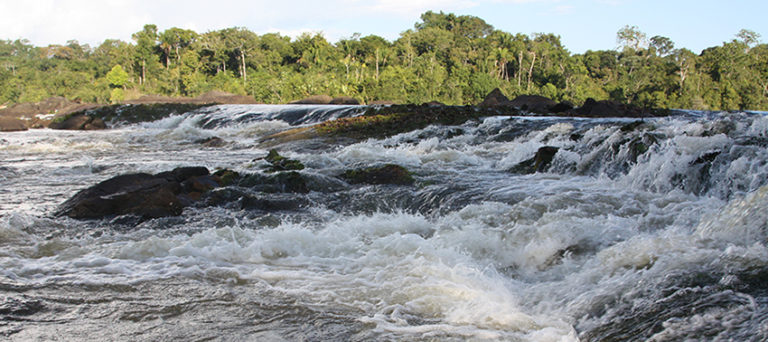
Our 10 day Suriname Package provides the highlights of Suriname which you surely must do when visiting Suriname. In Suriname we have different cultures, vegetations,
Jaw Jaw A Tela is a small village located upstream along the Suriname River. Situated in the Maroon region of Suriname, the village is known

Nestled on the riverbank of the Upstream Suriname River, you’ll discover a modern and inviting jungle resort named Knini Paati. Uniquely situated on one of

Fredberg is the destination for adventurers, nature lovers and travelers who like to face animals. We take you to a place that we have rediscovered,

Per fiets vertrek vanaf de stad naar Leonsberg, op zo’n 9 kilometer ten noorden van Paramaribo. Er liggen tentbootjes klaar en u kunt voor een

Joden Savanne is located in the district Para. On this tour you will learn more about the Jews who escaped from Europe around 1650 and settled
Fredberg is the destination for adventurers, nature lovers and travelers who like to face animals. We take you to a place that we have rediscovered,

The plantation is located on the right bank of the Commewijne river in the Commewijne district on the Reynsdorp plantation, also known as ‘Bakkie’. Plantation
from € 85,- per person (excl. 10% tax) | Price per person incl. tax: EUR 93.50 This Beautiful Island is situated on Prof. dr. ir.